Home Improvement Tips for Clients Looking to Improve Lighting
Lighting is one of the most important elements in any home, yet it is often overlooked during renovations. Good lighting affects how a home looks, feels, and functions. It can make small spaces feel larger, improve mood, support productivity, and highlight the beauty of interior design. On the other hand, poor lighting can make even the most beautiful rooms feel dull, uncomfortable, and less practical.
For homeowners looking to improve their living spaces, upgrading lighting is one of the smartest home improvement choices. It does not always require major renovations, but it can create a noticeable impact. Whether the goal is to brighten dark rooms, save energy, or modernize the home, the right lighting solutions can transform everyday living.
We believe lighting should be treated as a major part of home improvement planning because it influences both comfort and style. Let us explore the best home improvement tips for clients looking to improve lighting.
Understand the Different Types of Lighting
Before making improvements, homeowners should understand the main types of lighting.
Ambient lighting provides overall brightness for a room. This includes ceiling lights, chandeliers, and recessed lights.
Task lighting focuses on specific activities like reading, cooking, or working.
Accent lighting highlights decorative features such as artwork, shelves, or architectural details.
A balanced lighting design often combines all three types.
Understanding this helps create better lighting plans.
Maximize Natural Light
Natural light is one of the best ways to improve a home.
It makes rooms feel brighter, larger, and more inviting while reducing electricity use during the day.
Homeowners can increase natural light by adding larger windows, skylights, or glass doors.
Using lighter wall colors and mirrors can also help reflect sunlight deeper into the room.
Natural light improves mood and supports a healthier living environment.
Replace Outdated Light Fixtures
Old lighting fixtures can make a home look outdated and reduce brightness.
Replacing them with modern designs can instantly refresh the appearance of a room.
Pendant lights, recessed lights, chandeliers, and wall-mounted fixtures offer both style and function.
Modern fixtures also often support energy-efficient bulbs.
This simple upgrade can make a major visual difference.
Switch to LED Lighting
LED lighting is one of the best upgrades for modern homes.
Compared to traditional bulbs, LEDs use less electricity, last longer, and produce less heat.
They are available in many brightness levels and color temperatures.
Switching to LED lighting can reduce energy bills while improving light quality.
This is one of the easiest and most cost-effective home improvements.
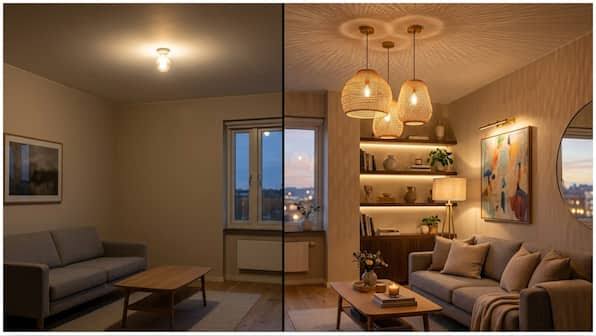
Add Layered Lighting
Using only one central light source often creates poor lighting balance.
Layered lighting improves comfort and flexibility.
For example, a living room may include ceiling lights, floor lamps, and wall lights.
A kitchen may use overhead lights, under-cabinet lights, and pendant lights.
Layered lighting creates depth and allows homeowners to adjust the mood of the room.
Improve Kitchen Lighting
The kitchen is one of the most important places for good lighting.
Cooking requires clear visibility for safety and efficiency.
Under-cabinet lights improve workspace brightness, while pendant lights over islands add style and function.
Bright ceiling lights provide general illumination.
A well-lit kitchen improves both appearance and daily use.
Upgrade Bathroom Lighting
Bathrooms need strong and balanced lighting for grooming, shaving, and makeup.
Poor bathroom lighting can create shadows and reduce visibility.
Adding wall lights around mirrors improves facial lighting.
Ceiling lights and shower lighting can improve overall brightness.
Water-resistant fixtures are also important for safety.
Better bathroom lighting improves comfort and practicality.
Use Dimmer Switches
Dimmer switches provide more control over lighting levels.
They allow homeowners to adjust brightness based on the time of day or activity.
Bright light may be useful for cleaning or working, while softer light creates relaxation.
Dimmer switches also help save energy.
This small upgrade adds flexibility and comfort.
Add Accent Lighting for Style
Accent lighting improves design by drawing attention to special features.
It can highlight paintings, bookshelves, textured walls, or decorative objects.
LED strips, wall sconces, and spotlights are popular choices.
Accent lighting creates a more luxurious and personalized atmosphere.
It adds character to any room.
Improve Entryway Lighting
The entryway is the first area people see when entering a home.
Good lighting here creates a strong first impression.
Wall lights, pendant lights, or ceiling fixtures can improve both style and safety.
Well-lit entryways also help with visibility when entering or leaving the house.
This space should never be overlooked.
Add Outdoor Lighting
Outdoor lighting improves both beauty and security.
Pathway lights, porch lights, garden lighting, and motion-sensor lights improve visibility at night.
Outdoor lighting also makes patios and decks more usable in the evening.
It can increase curb appeal and create a welcoming atmosphere.
Security and style both benefit from this upgrade.
Improve Bedroom Lighting
Bedrooms need flexible lighting for relaxation and practical tasks.
Soft ambient lighting helps create a calm atmosphere.
Bedside lamps or wall-mounted reading lights improve convenience.
Dimmer switches can help adjust the mood.
Good bedroom lighting supports comfort and better sleep.
Install Smart Lighting Systems
Smart lighting offers convenience and energy savings.
Homeowners can control lights using apps, schedules, or voice commands.
Smart bulbs can adjust brightness, change color, and turn off automatically.
This technology improves both comfort and efficiency.
Smart lighting is becoming increasingly popular in modern homes.
Use Mirrors to Reflect Light
Mirrors can improve lighting without adding extra fixtures.
Placing mirrors opposite windows or light sources helps spread brightness across the room.
This is especially useful in small or dark spaces.
Mirrors also create the illusion of more space.
It is a simple and affordable improvement.
Choose the Right Color Temperature
Not all lighting feels the same.
Warm white lighting creates a cozy and relaxing atmosphere, making it ideal for bedrooms and living rooms.
Cool white lighting provides stronger brightness, making it better for kitchens, bathrooms, and workspaces.
Choosing the right color temperature improves comfort and functionality.
Highlight Architectural Features
Lighting can be used to enhance design details.
Wall washers, recessed lights, and spotlights can highlight textured walls, ceilings, or built-in shelves.
This creates a more polished and luxurious appearance.
Architectural lighting adds depth and sophistication.
Final Thoughts
Lighting is one of the most powerful home improvement tools available. It affects comfort, style, functionality, and energy efficiency. By improving natural light, upgrading fixtures, using layered lighting, and adding smart systems, homeowners can create brighter and more comfortable living spaces.
We believe good lighting should never be treated as an afterthought. It has the ability to completely transform how a home feels and functions.
With thoughtful planning and the right upgrades, clients can create homes that are brighter, more inviting, and better suited for modern living.