Home Improvement Projects Clients Should Prioritize First
Home improvement can be exciting, but it can also become overwhelming when there are too many areas needing attention. Many homeowners start with a long list of ideas but struggle to decide what should come first. Without clear priorities, money and time can be wasted on projects that do not address the most important needs.
The truth is that not all home improvement projects carry the same level of importance. Some upgrades are essential for safety and long-term protection, while others improve comfort, efficiency, and property value. Understanding what to prioritize first helps homeowners make smarter decisions and avoid costly mistakes.
We believe home improvement should always begin with the areas that protect the structure, improve daily living, and support long-term investment. By focusing on the right projects first, clients can build a stronger foundation for future upgrades.
Roof Repairs and Maintenance
The roof is one of the most important parts of any home.
It protects everything underneath it from rain, heat, wind, and weather damage. If the roof has leaks, broken shingles, or signs of aging, it should be one of the first priorities.
Ignoring roof problems can lead to water damage, mold growth, and structural issues.
Repairing or replacing the roof early protects the entire home and prevents much larger expenses later.
A strong roof is always a smart first investment.
Fixing Plumbing Issues
Plumbing problems can quickly become serious if left untreated.
Leaking pipes, low water pressure, clogged drains, or outdated plumbing systems should be addressed immediately.
Water damage can weaken walls, floors, and ceilings while creating mold and unpleasant odors.
Replacing old pipes and repairing leaks improves both reliability and efficiency.
Plumbing should always be prioritized before cosmetic upgrades.
Electrical System Upgrades
Outdated electrical systems can be dangerous.
Old wiring, overloaded circuits, and damaged outlets increase the risk of fire and power failures.
Modern homes use far more electricity than older systems were designed to handle.
Upgrading the electrical panel, wiring, and outlets improves safety and supports modern appliances.
This should always be one of the first major improvement priorities.
Improving Insulation
Poor insulation affects comfort and increases energy bills.
If a home struggles to stay warm in winter or cool in summer, insulation should be improved.
Attics, walls, and floors are key areas where heat can escape.
Better insulation makes the home more comfortable and reduces long-term heating and cooling costs.
This is a practical investment that pays off over time.
HVAC System Maintenance or Replacement
Heating and cooling systems directly affect daily comfort.
If the HVAC system is old, inefficient, or unreliable, it should be a top priority.
Regular maintenance like cleaning filters and checking ductwork can improve performance.
In some cases, replacing the system may be the better long-term choice.
Efficient heating and cooling improve comfort and reduce utility expenses.
Repairing Structural Damage
Structural problems should never be ignored.
Cracks in walls, uneven floors, foundation movement, or damaged support beams can become major safety risks.
A professional inspection can identify serious concerns.
Fixing structural issues protects the home and supports all future renovations.
Without a strong structure, other improvements may not last.
Replacing Old Windows
Old windows often cause drafts, energy loss, and poor security.
Upgrading to modern windows improves insulation, reduces outside noise, and increases comfort.
Energy-efficient windows can lower utility costs while improving the home’s appearance.
This upgrade also adds value and supports better climate control.
Water Damage Prevention
Preventing water damage should always be a priority.
This includes repairing gutters, improving drainage, sealing basements, and checking for leaks.
Water damage can weaken the structure and create expensive long-term repairs.
Preventive improvements are often cheaper than fixing damage after it happens.
Protecting the home from moisture is essential.
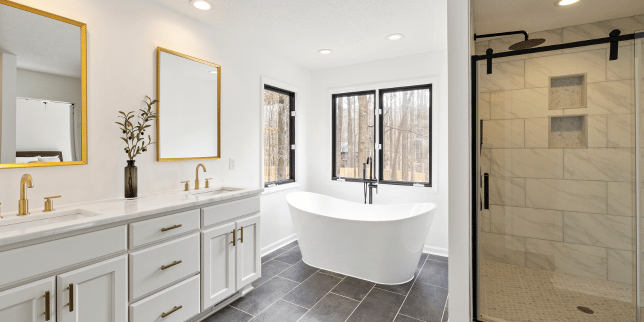
Bathroom Repairs and Updates
Bathrooms are used daily and can affect both comfort and property value.
Leaking fixtures, poor ventilation, broken tiles, or outdated plumbing should be addressed early.
Fixing these issues improves hygiene, comfort, and functionality.
Simple updates like better lighting, storage, and modern fixtures can also improve daily living.
Bathrooms are often high-priority spaces.
Kitchen Functionality Improvements
The kitchen is another area that deserves early attention.
Improving storage, repairing damaged cabinets, replacing broken appliances, and improving lighting can make a big difference.
A functional kitchen improves everyday life and often increases property value.
Clients should prioritize practical upgrades before luxury changes.
Flooring Repairs
Damaged or uneven flooring can affect both safety and appearance.
Broken tiles, loose boards, or worn carpets should be repaired or replaced.
Good flooring improves comfort, movement, and the overall feel of the home.
It also supports better cleanliness and easier maintenance.
Home Security Upgrades
Safety goes beyond structure.
Improving locks, installing security cameras, adding motion lights, and upgrading entry doors can improve home security.
Modern security systems provide peace of mind and make homes safer for families.
Security improvements are practical and valuable.
Storage Solutions
Lack of storage can create clutter and reduce functionality.
Adding shelves, cabinets, closet organizers, or garage storage can improve daily life significantly.
Better storage helps homeowners stay organized and use their spaces more effectively.
This is often a simple but highly useful improvement.
Exterior Repairs and Curb Appeal
Exterior maintenance should not be delayed.
Damaged siding, cracked pathways, broken fences, or peeling paint can reduce property value and expose the home to weather damage.
Improving the exterior protects the property while making it more attractive.
Curb appeal also improves resale potential.
Lighting Improvements
Lighting affects comfort, safety, and functionality.
Poor lighting can make spaces feel dark and less practical.
Upgrading fixtures, adding LED lighting, and improving natural light can transform the home.
Well-lit spaces are easier to use and feel more inviting.
This is an affordable upgrade with strong impact.
Accessibility Improvements
If the home includes older adults or individuals with mobility needs, accessibility upgrades should come early.
This can include non-slip flooring, handrails, wider doorways, and walk-in showers.
Improving accessibility increases safety and comfort.
It also supports long-term living.
Outdoor Living Space Repairs
Patios, decks, and outdoor areas may need maintenance or upgrades.
Damaged wood, poor drainage, or unstable surfaces should be fixed before decorative improvements.
Functional outdoor spaces improve comfort and increase living space.
They also add value to the property.
Final Thoughts
Home improvement works best when clients focus on the most important projects first. Safety, structural strength, energy efficiency, and daily functionality should always come before cosmetic changes. Prioritizing roof repairs, plumbing, electrical systems, insulation, and key living spaces creates a strong foundation for future improvements.
We believe smart planning leads to better results. Homeowners who address essential upgrades first often save money, reduce stress, and protect their investments.
By focusing on the right priorities, clients can build homes that are safer, stronger, and more comfortable for many years ahead.