Home Improvement Solutions for Clients with Small Living Spaces
Living in a small home can be comfortable and practical when the space is used wisely. However, limited square footage often creates challenges such as clutter, poor storage, restricted movement, and rooms that feel crowded. Many homeowners with smaller living spaces struggle to make their homes feel open, functional, and inviting. This is where smart home improvement becomes essential.
Improving a small home is not about making it physically bigger in every case. Often, it is about making the space work better through better layouts, storage solutions, lighting, and multi-functional designs. With the right approach, even compact homes can feel spacious and highly efficient.
We believe small homes can offer just as much comfort and style as larger properties when planned correctly. Home improvement in small spaces should focus on maximizing every inch while keeping the home organized and visually balanced. Let us explore the best home improvement solutions for clients with small living spaces.
Use Vertical Space for Storage
One of the most effective ways to improve small homes is by using wall space.
Instead of relying only on floor storage, homeowners can install tall shelves, hanging cabinets, and wall hooks.
Vertical storage helps free up floor space while creating more room for organization.
Books, decorative items, kitchen tools, and daily essentials can all be stored vertically.
This keeps rooms cleaner and more open.
Invest in Multi-Functional Furniture
Furniture that serves more than one purpose is ideal for small spaces.
Beds with built-in drawers, storage ottomans, folding tables, and sofa beds provide both comfort and practicality.
This reduces the need for extra furniture while increasing functionality.
Multi-purpose furniture helps homeowners use their space more efficiently.
It is one of the smartest investments for smaller homes.
Create Open Floor Plans
Small homes often feel crowded because of unnecessary walls.
Removing non-structural walls can create open layouts that improve movement and make the home feel larger.
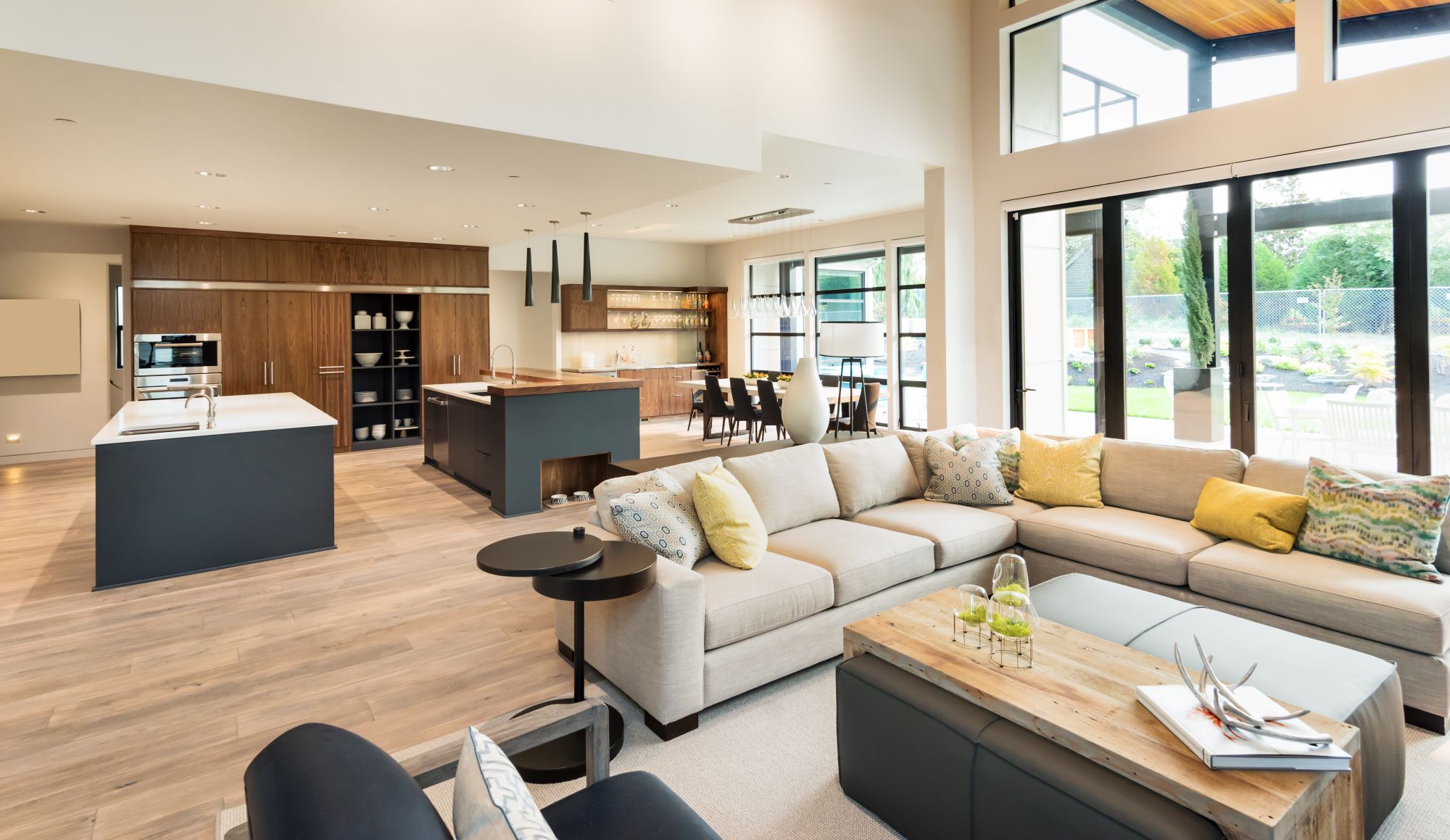
Combining the kitchen, dining, and living room into one open space improves both functionality and visual flow.
Open floor plans allow more natural light to spread throughout the home.
This creates a brighter and more spacious feeling.
Improve Natural Lighting
Lighting has a major effect on how large a room feels.
Dark spaces often seem smaller and less inviting.
Adding larger windows, glass doors, or skylights can increase natural light and improve openness.
Lighter curtains and minimal window coverings also help.
Natural light makes rooms feel brighter, fresher, and more comfortable.
Use Light Paint Colors
Color can influence how spacious a room feels.
Light colors such as white, beige, soft gray, and pastel shades reflect light and create the illusion of more space.
Dark colors may make rooms feel smaller and heavier.
Using a consistent color palette throughout the home also creates a smoother flow between spaces.
This helps small homes feel more open.
Add Mirrors Strategically
Mirrors are a simple but powerful design tool for small spaces.
They reflect light and create the illusion of depth.
Placing mirrors opposite windows or near light sources can make rooms appear larger and brighter.
Large mirrors in living rooms, hallways, or bedrooms can improve the overall sense of space.
This is one of the easiest upgrades for compact homes.
Improve Closet Organization
Closets in small homes need to work efficiently.
Adding shelves, hanging systems, bins, and dividers can improve storage capacity significantly.
Well-organized closets reduce clutter in the rest of the home.
Custom closet systems help maximize every inch.
Better closet design supports a cleaner and more functional living environment.
Use Under-Bed Storage
The space under the bed is often unused.
Adding storage drawers or bins under the bed creates valuable extra room for clothing, shoes, bedding, or seasonal items.
This hidden storage helps keep bedrooms organized without taking up extra space.
It is one of the most practical storage solutions in small homes.
Install Sliding Doors
Traditional swinging doors can take up valuable floor space.
Sliding doors or pocket doors improve movement and save room.
They work especially well for bathrooms, closets, and room dividers.
This upgrade can improve both functionality and design.
Small details like this can make a noticeable difference.
Upgrade Kitchen Storage
Small kitchens need efficient organization.
Adding pull-out shelves, wall racks, magnetic storage, and corner cabinets improves storage without increasing size.
Open shelves can also create extra space while keeping essentials easy to reach.
A well-organized kitchen feels more practical and less crowded.
Use Built-In Furniture
Built-in furniture can maximize awkward or unused areas.
Examples include built-in benches, shelves, desks, or entertainment units.
Custom-built solutions fit the exact dimensions of the room, improving efficiency.
Built-ins often save more space than traditional furniture.
They also create a cleaner and more polished appearance.
Keep Flooring Consistent
Using the same flooring throughout the home can make spaces feel larger.
Different flooring in every room can visually break up the space and make it feel smaller.
Consistent flooring creates better flow and continuity.
This is a simple design trick that improves the overall feeling of space.
Create Hidden Storage
Hidden storage helps reduce clutter without affecting design.
Storage under stairs, inside furniture, or behind wall panels can provide extra space.
This approach keeps the home looking neat while increasing storage capacity.
Hidden storage is especially valuable in very compact homes.
Improve Bathroom Efficiency
Small bathrooms need smart layouts and storage.
Wall-mounted sinks, floating vanities, and corner shelves can improve space.
Replacing large bathtubs with walk-in showers can also create more room.
Using mirrors and better lighting can make bathrooms feel larger.
Practical bathroom design greatly improves comfort.
Declutter Regularly
No amount of storage can fully solve overcrowding if there are too many unnecessary items.
Regular decluttering is essential in small homes.
Keeping only what is needed makes spaces easier to organize and maintain.
This supports all other storage improvements.
A clutter-free home always feels larger.
Use Foldable or Expandable Furniture
Foldable tables, chairs, and desks can save space when not in use.
Expandable dining tables are especially useful for entertaining without taking up permanent space.
Flexible furniture adapts to different needs and supports better use of limited space.
This is a smart option for modern living.
Improve Outdoor Storage
If the property includes a small outdoor area, it can support additional storage.
Weatherproof storage boxes, wall cabinets, or compact sheds can hold tools, seasonal items, or equipment.
This helps free up space inside the home.
Outdoor storage can be a valuable extension of indoor living.
Final Thoughts
Small living spaces can be transformed into comfortable, functional, and stylish homes with the right home improvement strategies. By focusing on storage, lighting, layout, and multi-functional designs, homeowners can make the most of every square foot.
We believe small spaces should never limit comfort or quality of life. With smart planning and creative solutions, even the smallest homes can feel organized, spacious, and highly practical.
By investing in the right improvements, clients can create homes that support their lifestyle while making the best use of limited space.