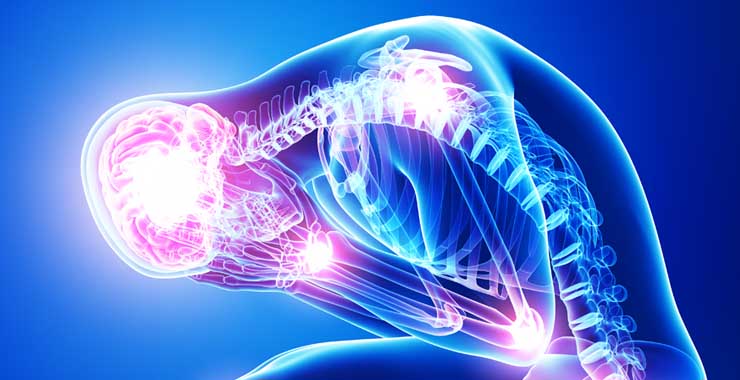
How Chronic Stress Affects Your Body: Warning Signs, Health Risks, and Recovery Tips
Stress is a normal part of life. We all experience it from time to time, whether it’s because of work, family responsibilities, finances, school, or unexpected life events. In small amounts, stress can actually be helpful. It can keep us alert, motivated, and prepared to deal with challenges.
When stress continues for weeks, months, or even years, it becomes chronic stress. Instead of helping us respond to challenges, it starts affecting nearly every part of our body and mind. Many people live with chronic stress without realizing that it may be contributing to headaches, poor sleep, fatigue, digestive problems, mood changes, and many other health concerns.
The good news is that chronic stress can be managed. By recognizing the warning signs early and making healthy lifestyle changes, we can reduce its impact and improve both our physical and mental well-being.
What Is Chronic Stress?
Chronic stress is long-term stress that continues over an extended period. Unlike short-term stress, which usually disappears after a challenging situation ends, chronic stress stays with us and keeps the body’s stress response activated.
Some common causes include:
- Ongoing financial difficulties.
- High-pressure jobs.
- Family or relationship challenges.
- Caring for a loved one.
- Long-term health conditions.
- Academic pressure.
- Job insecurity.
- Major life changes.
- Constant lack of work-life balance.
Everyone experiences stress differently. What feels overwhelming to one person may not affect someone else in the same way.
How the Body Responds to Stress
When we face a stressful situation, our body enters its natural “fight-or-flight” response.
During this process, stress hormones such as cortisol and adrenaline increase. These hormones help us react quickly by:
- Raising heart rate.
- Increasing blood pressure.
- Releasing extra energy.
- Improving alertness.
- Preparing muscles for action.
This response is useful during short-term challenges.
However, when stress never seems to end, these hormones remain elevated for long periods, placing extra strain on many body systems.
Warning Signs of Chronic Stress
Many symptoms of chronic stress develop gradually, making them easy to overlook.
Physical Warning Signs
Common physical symptoms include:
- Frequent headaches.
- Muscle tension.
- Neck or shoulder pain.
- Constant fatigue.
- Trouble sleeping.
- Digestive discomfort.
- Upset stomach.
- Rapid heartbeat.
- Changes in appetite.
- Frequent colds or infections.
These symptoms may appear occasionally at first before becoming more persistent.
Emotional Warning Signs
Long-term stress often affects our emotions as well.
Signs may include:
- Feeling overwhelmed.
- Irritability.
- Anxiety.
- Persistent worry.
- Sadness.
- Mood swings.
- Feeling emotionally drained.
- Lack of motivation.
These emotional changes can affect work, relationships, and everyday life.
Mental Warning Signs
Chronic stress may also influence how we think.
Some common signs include:
- Difficulty concentrating.
- Forgetfulness.
- Racing thoughts.
- Poor decision-making.
- Feeling mentally exhausted.
- Reduced productivity.
Mental fatigue can make even simple daily tasks feel more difficult.
Behavioral Warning Signs
Stress often changes our daily habits.
Examples include:
- Sleeping too much or too little.
- Overeating or skipping meals.
- Increased screen time.
- Avoiding social activities.
- Reduced physical activity.
- Difficulty relaxing.
- Procrastination.
Recognizing these behavior changes early can help us take action before stress becomes more serious.
How Chronic Stress Affects Different Parts of the Body
Stress doesn’t only affect our emotions—it influences nearly every system in the body.
Brain
Long-term stress can make it harder to focus, remember information, and make decisions.
Many people describe feeling mentally “foggy” after prolonged periods of stress.
Heart
Ongoing stress may increase heart rate and blood pressure for extended periods.
Over time, this places additional strain on the cardiovascular system.
Immune System
Stress may weaken the body’s natural defenses.
As a result, some people notice they become sick more often or take longer to recover from common illnesses.
Digestive System
The digestive system is especially sensitive to stress.
Possible symptoms include:
- Stomach discomfort.
- Nausea.
- Bloating.
- Changes in bowel habits.
- Loss of appetite.
- Emotional eating.
Many people notice digestive symptoms worsen during stressful periods.
Muscles
Stress often causes muscles to tighten.
This may lead to:
- Neck pain.
- Back pain.
- Shoulder tension.
- Jaw clenching.
- Frequent headaches.
Sleep
Poor sleep and stress often create a cycle.
Stress makes it harder to sleep, while poor sleep makes stress feel even worse the following day.
Breaking this cycle is an important part of recovery.
Long-Term Health Risks of Chronic Stress
If chronic stress continues without healthy management, it may contribute to a variety of health concerns over time.
Possible long-term effects include:
- Ongoing fatigue.
- High blood pressure.
- Increased risk of heart-related problems.
- Digestive disorders.
- Frequent illness.
- Anxiety disorders.
- Depression.
- Sleep disorders.
- Weight changes.
- Reduced overall quality of life.
Not everyone experiencing chronic stress will develop these conditions, but reducing stress can help lower the risk.
Who Is Most at Risk?
Anyone can experience chronic stress, but some people face higher risks due to their daily responsibilities or life circumstances.
Examples include:
- Healthcare workers.
- Teachers.
- Students.
- Parents of young children.
- Family caregivers.
- Business owners.
- People working multiple jobs.
- Individuals managing chronic illnesses.
Recognizing personal stress triggers can make it easier to develop healthier coping strategies.
Healthy Ways to Recover From Chronic Stress
Although stress cannot always be eliminated, we can reduce its effects by making consistent lifestyle changes.
Make Sleep a Priority
Quality sleep allows both the body and brain to recover.
Helpful habits include:
- Going to bed at the same time each night.
- Creating a relaxing bedtime routine.
- Limiting screen time before bed.
- Keeping the bedroom quiet and comfortable.
Even small improvements in sleep can reduce stress levels.
Stay Physically Active
Exercise helps release natural chemicals that improve mood and reduce tension.
You don’t need intense workouts.
Activities like:
- Walking.
- Cycling.
- Swimming.
- Stretching.
- Yoga.
- Dancing.
can all help manage stress.
Eat Balanced Meals
Nutrition supports both physical and mental health.
Try to include:
- Fruits.
- Vegetables.
- Whole grains.
- Lean protein.
- Healthy fats.
Avoid relying on highly processed foods when feeling stressed.
Stay Hydrated
Even mild dehydration can contribute to fatigue and difficulty concentrating.
Keeping a reusable water bottle nearby is a simple way to build this healthy habit.
Practice Deep Breathing
Slow breathing exercises help calm the body’s stress response.
Taking just a few minutes each day to focus on breathing can improve relaxation.
Spend Time Outdoors
Fresh air and natural surroundings often help reduce mental fatigue.
Even a short walk in a park or quiet neighborhood can improve mood.
Stay Connected With Others
Talking with trusted friends or family members can provide emotional support.
Sometimes simply sharing how we feel makes stressful situations easier to manage.
Set Healthy Boundaries
Many people experience chronic stress because they constantly take on too many responsibilities.
Learning to say “no” when necessary helps protect both physical and emotional health.
Organize Daily Tasks
Feeling overwhelmed often becomes worse when everything feels urgent.
Simple planning can help.
Try:
- Creating daily to-do lists.
- Prioritizing important tasks.
- Breaking large projects into smaller steps.
- Taking regular breaks.
Small improvements in organization often reduce unnecessary stress.
Recovery Takes Time
Recovering from chronic stress is usually a gradual process.
We should not expect to feel completely different overnight.
Instead, focus on consistent progress.
Some weeks will feel easier than others, and that’s perfectly normal.
Small healthy habits repeated every day often produce the greatest long-term improvements.
When to Seek Professional Help
Sometimes stress becomes too difficult to manage alone.
Consider speaking with a qualified healthcare professional if stress:
- Continues for several weeks or months.
- Affects work or school performance.
- Interferes with relationships.
- Causes ongoing sleep problems.
- Leads to persistent anxiety or sadness.
- Makes daily responsibilities difficult to manage.
Seeking help is a positive step toward better health and well-being.
Everyday Habits That Help Prevent Chronic Stress
While stress cannot always be avoided, healthy routines can make us more resilient.
Helpful daily habits include:
- Sleeping consistently.
- Exercising regularly.
- Eating balanced meals.
- Taking breaks during work.
- Spending time outdoors.
- Limiting excessive screen time.
- Staying connected with loved ones.
- Practicing gratitude.
- Making time for hobbies.
- Managing time effectively.
These habits strengthen both physical and mental health over time.
Common Mistakes to Avoid
Many people unintentionally make stress worse by relying on unhealthy coping methods.
Some common mistakes include:
- Ignoring stress symptoms.
- Working without regular breaks.
- Skipping meals.
- Sleeping too little.
- Avoiding physical activity.
- Isolating from friends and family.
- Expecting immediate recovery.
- Trying to handle everything alone.
Recognizing these patterns allows us to replace them with healthier choices.
Final Thoughts
Stress is an unavoidable part of life, but chronic stress should never be ignored. When it continues for long periods, it can affect nearly every part of the body, from the brain and heart to the immune and digestive systems. It can also influence our emotions, relationships, sleep, and overall quality of life.
The encouraging news is that recovery is possible. Small daily habits such as getting enough sleep, staying physically active, eating balanced meals, practicing relaxation techniques, and maintaining strong social connections can make a significant difference over time.
We don’t need to eliminate every source of stress to improve our health. Instead, we can focus on building routines that help us respond to life’s challenges in healthier ways. By paying attention to early warning signs and taking action before stress becomes overwhelming, we can protect both our body and mind and enjoy a healthier, more balanced life.
Frequently Asked Questions
What is chronic stress?
Chronic stress is ongoing stress that lasts for weeks, months, or longer. Unlike short-term stress, it keeps the body’s stress response active for extended periods.
What are the first signs of chronic stress?
Common early signs include headaches, muscle tension, poor sleep, fatigue, irritability, difficulty concentrating, and feeling constantly overwhelmed.
Can chronic stress make us physically sick?
Yes. Long-term stress may weaken the immune system, affect digestion, increase muscle tension, disrupt sleep, and contribute to various health problems over time.
How can we reduce chronic stress naturally?
Regular exercise, healthy eating, quality sleep, deep breathing, spending time outdoors, staying connected with loved ones, and managing daily responsibilities can all help reduce stress.
How long does it take to recover from chronic stress?
Recovery varies for each person. Some people notice improvements within a few weeks of healthy lifestyle changes, while others may require more time depending on the severity and duration of their stress.
When should we seek professional support?
If stress continues to interfere with daily life, relationships, work, sleep, or emotional well-being despite self-care efforts, it is important to consult a qualified healthcare professional for guidance and support.