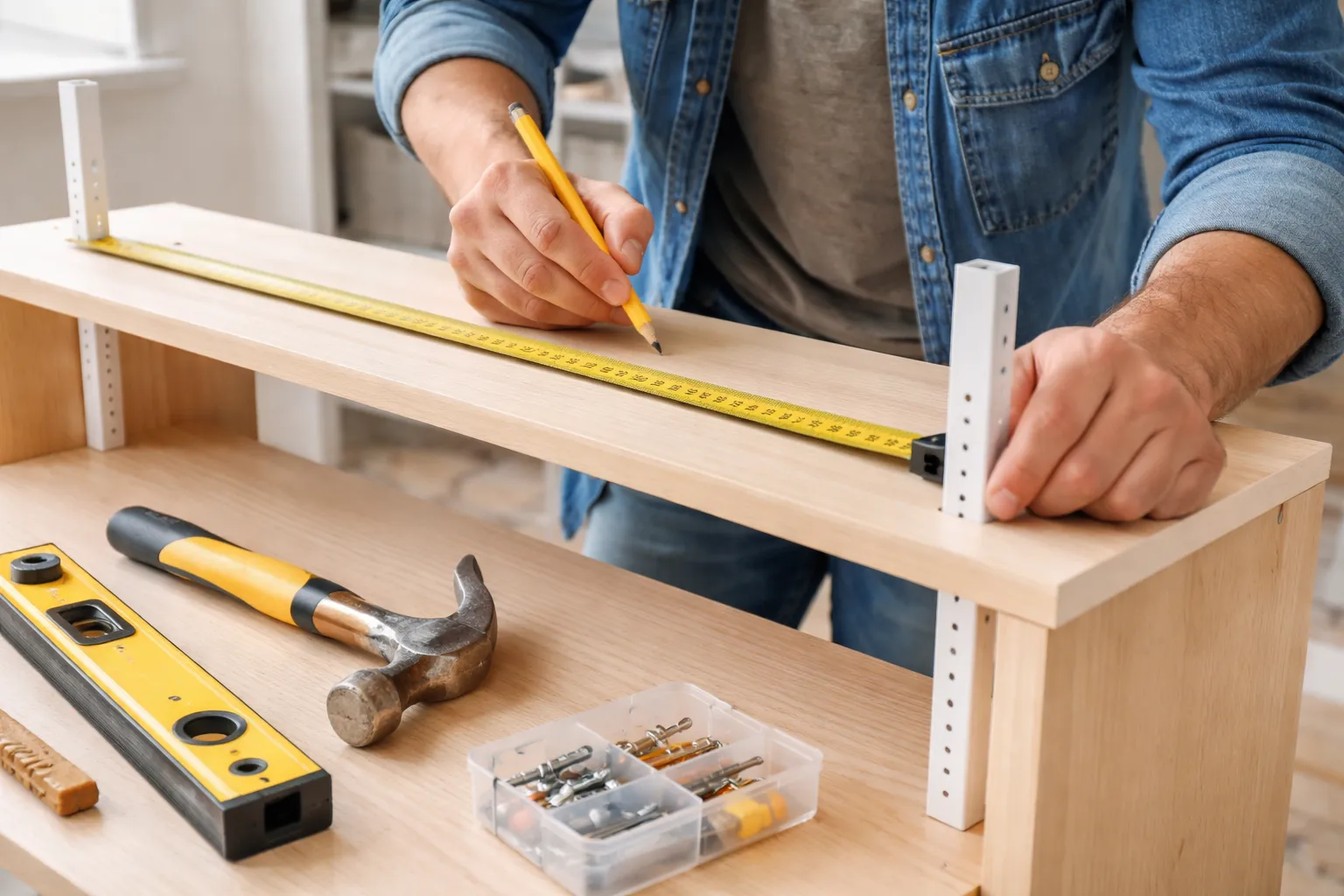
Home Improvement Planning Guide for Clients Starting from Scratch
Starting a home improvement project from the beginning can feel exciting, but it can also feel overwhelming. For many homeowners, the idea of transforming their living space brings thoughts of better comfort, improved design, and increased property value. However, without proper planning, even the best renovation ideas can quickly become stressful, expensive, and difficult to manage.
Home improvement is not only about choosing paint colors or buying new furniture. It requires careful preparation, budgeting, scheduling, and decision-making. Clients who start from scratch need a clear roadmap to avoid mistakes and make sure their investments bring lasting value.
We believe the success of any renovation depends on planning before the work begins. A strong plan saves time, controls costs, and helps homeowners achieve better results. This guide covers the essential steps clients should follow when starting home improvement from scratch.
Define Your Goals Clearly
The first step in any home improvement project is understanding what you want to achieve.
Some homeowners want to improve comfort, while others want to increase property value or modernize old spaces. Knowing the main purpose helps guide every decision.
Ask important questions such as what problems need fixing, what areas feel outdated, and what improvements would make daily life easier.
Clear goals create direction and prevent confusion later.
Without goals, projects can lose focus quickly.
Evaluate the Current Condition of the Home
Before making changes, it is important to understand the current state of the property.
Inspect the roof, plumbing, electrical systems, walls, floors, windows, and foundation.
Look for signs of damage, leaks, cracks, or wear.
A professional inspection can help identify hidden problems that may need urgent attention.
Knowing the home’s condition helps prioritize repairs and avoid surprises.
Set a Realistic Budget
Budgeting is one of the most important parts of planning.
Home improvement costs can add up quickly, especially if unexpected issues appear.
Clients should decide how much they are comfortable spending and divide that budget into categories such as labor, materials, permits, and emergency funds.
It is always wise to set aside an extra 15 to 20 percent for unexpected expenses.
A realistic budget helps prevent overspending and unfinished projects.
Prioritize Essential Repairs First
Not every improvement should happen at the same time.
Safety and structural repairs should always come before cosmetic upgrades.
This includes fixing leaks, electrical issues, damaged roofs, poor insulation, or plumbing problems.
Once the essential systems are strong, decorative improvements can follow.
This approach protects the home and prevents bigger future costs.
Create a Detailed Project List
A clear list of planned improvements helps keep everything organized.
Break the renovation into smaller projects, such as kitchen upgrades, bathroom improvements, painting, flooring, or storage additions.
This makes the process easier to manage and helps track progress.
A project list also makes it easier to compare contractor quotes and material costs.
Organization is key for successful home improvement.
Research Design Ideas
Before making final decisions, clients should gather ideas for style, layouts, and materials.
Looking at home improvement magazines, online inspiration, and showroom displays can help create a vision.
Focus on designs that match the home’s structure and personal lifestyle.
It is important to balance trends with timeless styles.
Research helps avoid rushed design decisions.
Decide What Can Be DIY
Not every task requires professional help.
Painting, simple landscaping, or basic decorating may be suitable for DIY.
However, electrical work, roofing, plumbing, and structural changes often require professionals.
Clients should honestly assess their skill level before taking on any project.
Knowing when to DIY and when to hire experts can save money while maintaining quality.
Hire the Right Professionals
Choosing the right contractor is one of the most important planning steps.
Clients should compare multiple quotes, check reviews, ask for references, and verify licenses.
A written contract should clearly explain costs, timelines, materials, and responsibilities.
Good contractors provide clear communication and quality work.
Taking time to hire carefully can prevent major problems later.
Understand Permit Requirements
Some home improvement projects require legal permits.
This may include electrical work, plumbing changes, structural alterations, or room additions.
Skipping permits can create fines, delays, and problems when selling the property.
Clients should check local regulations before work begins.
Proper permits protect the homeowner and ensure work meets safety standards.
Plan a Realistic Timeline
Home improvement often takes longer than expected.
Clients should create a timeline for each phase of the project while allowing flexibility for delays.
Weather, material shortages, and unexpected repairs can affect progress.
A realistic timeline helps manage expectations and reduce stress.
Rushing usually leads to mistakes and poor-quality work.
Choose Quality Materials
Material selection has a major impact on durability and appearance.
Cheap materials may save money at first but often require replacement sooner.
Clients should invest in quality materials for important areas such as flooring, roofing, windows, and cabinets.
Durable materials offer better long-term value.
Good quality supports both performance and style.
Think About Energy Efficiency
Energy-efficient upgrades should be part of the plan from the start.
Improving insulation, replacing windows, upgrading appliances, and installing LED lighting can reduce future utility costs.
Smart thermostats and solar options can also improve efficiency.
Energy-efficient homes are more comfortable and often more valuable.
Planning these upgrades early saves time and money.
Prepare for Daily Disruptions
Home renovation can affect normal routines.
Dust, noise, and limited room access can create temporary challenges.
Clients should plan where they will cook, sleep, or store belongings during major renovations.
Preparing for disruption reduces stress and helps maintain comfort during construction.
Being ready makes the process smoother.
Focus on Functionality
It is easy to focus on appearance, but function is equally important.
Rooms should be designed to support daily activities efficiently.
Think about storage, movement, lighting, and accessibility.
A functional home often feels more comfortable than one designed only for looks.
Practical improvements usually deliver better long-term satisfaction.
Consider Future Needs
Homeowners should think beyond their current lifestyle.
Families may grow, work situations may change, or aging may require better accessibility.
Planning flexible spaces and adaptable layouts helps prepare for the future.
Thinking ahead makes the home more valuable and easier to live in over time.
Track Progress Regularly
Once work begins, clients should stay involved.
Regular updates, inspections, and communication with contractors help keep everything on track.
Checking progress ensures work matches the original plan and helps solve issues quickly.
Active involvement improves project success.
Avoid Frequent Changes During Construction
Changing plans once work starts can create delays and extra costs.
It is best to finalize materials, layouts, and designs before construction begins.
Frequent changes often waste time and increase labor expenses.
Careful planning reduces the need for last-minute decisions.
Staying consistent saves money and stress.
Final Thoughts
Starting home improvement from scratch can feel challenging, but with the right planning, it becomes a rewarding process. A clear plan, realistic budget, strong priorities, and reliable professionals make all the difference. Homeowners who take time to prepare carefully often achieve better results and avoid unnecessary problems.
We believe successful home improvement begins long before construction starts. Planning is the foundation of every good renovation.
By following this guide, clients can build homes that are safer, more comfortable, more efficient, and better prepared for the future. Good planning today creates better living for many years to come.